
Vietnam’s crypto asset market is entering a pilot phase with a clearer legal framework following the adoption of Resolution 05/2025/NQ-CP. Against this backdrop, SCEX has attracted attention after announcing that it passed the first assessment stage in the process of obtaining a license to provide crypto asset trading market organization services.
SCEX, officially known as Sacom Crypto Asset Exchange Joint Stock Company and formerly called LPEX, is positioning itself as a crypto asset trading platform designed for Vietnamese users. Its main focus is on locally adapted services, including VND trading, bank deposits and withdrawals, eKYC, asset custody, portfolio management and tax reporting support. In this article, Coin68 takes a closer look at this crypto asset exchange.
What Is the SCEX Exchange?
SCEX’s full legal name is Sacom Crypto Asset Exchange Joint Stock Company. It was formerly known as Loc Phat Vietnam Crypto Asset Exchange Joint Stock Company, or LPEX.
The company was established on September 30, 2025. It subsequently increased its charter capital from VND 6.8 billion to VND 360 billion and changed its name to SCEX in 2026.
Unlike international exchanges, which typically focus on global liquidity and stablecoin-denominated trading pairs, SCEX is developing a crypto asset exchange model specifically for the Vietnamese market.
The platform is designed to allow users to trade digital assets directly against the Vietnamese dong, or VND, connect with the domestic banking system and operate within Vietnam’s local regulatory framework.
In addition to serving as a trading platform, SCEX is also building supporting product layers such as crypto asset custody, electronic identity verification, portfolio management, transaction reporting and potential expansion into tokenized real-world assets.
These elements suggest that SCEX does not intend to function merely as a trading application. Instead, it aims to become an infrastructure layer connecting crypto assets, Vietnamese users and the traditional financial system.
The Company Behind SCEX
SCEX is operated by Sacom Crypto Asset Exchange Joint Stock Company. Before the name change, the business operated as Loc Phat Vietnam Crypto Asset Exchange Joint Stock Company, or LPEX, with initial charter capital of VND 6.8 billion.
According to publicly disclosed information, Nguyen Duy Phong serves as the company’s General Director and legal representative.
At the time of its establishment, LPEX had three founding shareholders: Duong Van Quyet, Nguyen Thi Bich Ngoc and Vu Phat Dat.
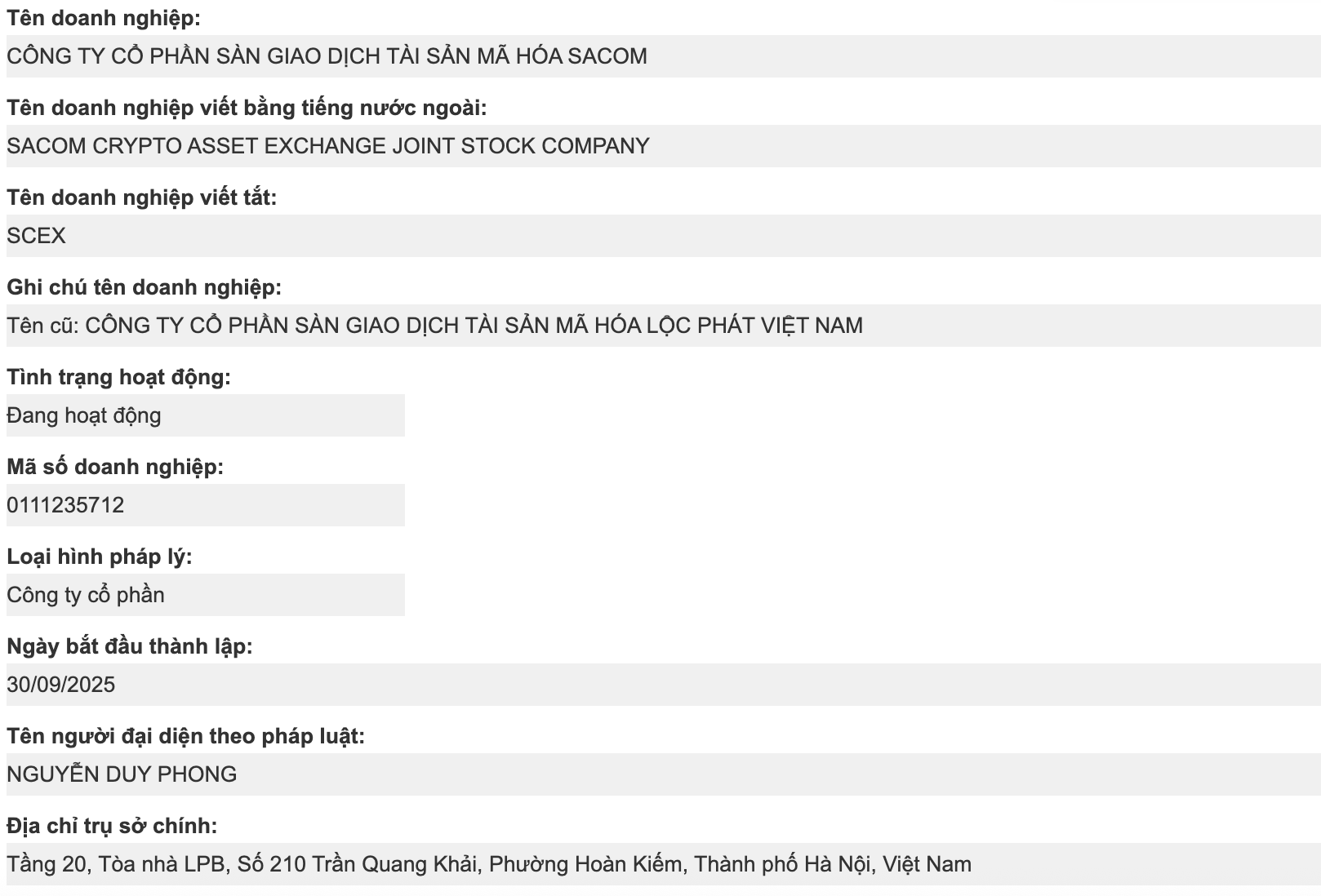
On February 11, 2026, the company increased its charter capital to VND 360 billion.
It was later renamed Sacom Crypto Asset Exchange Joint Stock Company, with the amended business registration certificate issued on April 28, 2026.
The transition from LPEX to SCEX took place as Vietnam began implementing a pilot framework for the crypto asset market.
Key Features of the SCEX Exchange
Based on information published as of July 2026, SCEX is developing a product suite designed around the needs of Vietnamese users, ranging from asset custody and VND trading to bank deposits and withdrawals, portfolio management and potential expansion into tokenized real-world assets.
However, because SCEX is still undergoing assessment as part of the licensing process for crypto asset exchange operations, the features listed below should be understood as information announced by the platform. They do not confirm that SCEX has already received an official operating license.
Crypto Asset Custody
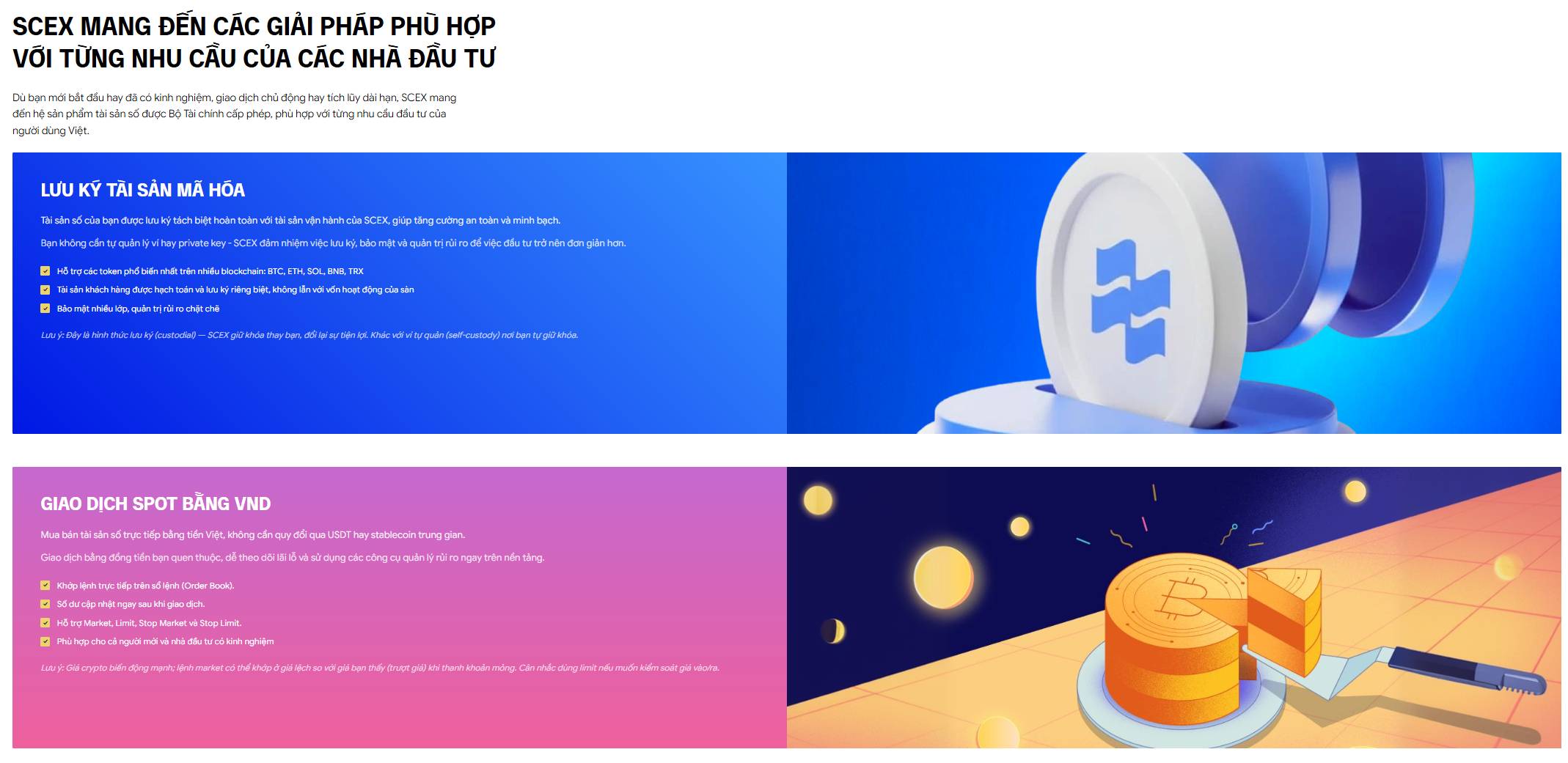
SCEX uses a centralized custody model in which the platform holds users’ asset keys on their behalf.
Customer assets are separated from the exchange’s operating assets. The platform is expected to support several popular cryptocurrencies, including BTC, ETH, SOL, BNB and TRX.
Spot Trading Against VND
Users can buy and sell digital assets directly using VND without first converting their funds into USDT or another intermediary stablecoin.
SCEX supports order-book-based matching and several order types, including market orders, limit orders, stop-market orders and stop-limit orders.
24/7 VND Deposits and Withdrawals
SCEX allows users to deposit and withdraw VND through Vietnamese bank accounts, reducing reliance on peer-to-peer transactions with third parties.
The platform also mentions connections with Sacombank and LPBank in its deposit and withdrawal section.
Electronic Identity Verification
The platform supports identity verification through Vietnam’s citizen identification card, or CCCD, using a mobile device.
It also claims integration with the Ministry of Public Security’s C06 database to support user identification, anti-money laundering requirements and regulatory compliance.
Portfolio and Profit-and-Loss Management
SCEX provides dashboards for tracking assets, portfolio value and real-time profit and loss, helping users manage their investments in a more centralized and efficient way.
Tax Reporting
The tax reporting feature helps users consolidate transaction history, calculate profits and losses and export reports, in line with the trend toward greater transparency in crypto asset transactions.
Under current regulations, individual investors are subject to a 0.1% tax on the transfer value when selling crypto assets.
Tools for Professional Traders
SCEX introduces a matching engine, an advanced trading interface, 24/7 VND deposits and withdrawals and automated tax reporting for users who actively trade crypto assets.
Security and Asset Protection
The platform emphasizes features such as an asset insurance fund, multilayer distributed storage, segregated custody, information security and risk management.
Asset Transparency
SCEX refers to a proof-of-reserves mechanism intended to improve transparency and enable asset verification, particularly for long-term investors.
Tokenized Real-World Asset Strategy
SCEX plans to expand into tokenized real-world assets such as bonds, real estate and infrastructure projects.
For institutional clients, the platform also mentions an enterprise connectivity interface and a gateway designed to support the issuance of tokenized real-world assets.
SCEX Passes the First Assessment Stage in the Licensing Process
One of the main reasons SCEX has recently gained attention is the company’s announcement that it completed the first assessment stage in the process of obtaining a license to provide crypto asset trading market organization services in Vietnam.
The development comes after the Vietnamese government issued Resolution 05/2025/NQ-CP on the pilot implementation of a crypto asset market.
The resolution provides an important legal foundation that allows domestic companies to participate in a formal assessment process, rather than leaving the market to operate mainly through international exchanges, P2P transactions or platforms without a clearly defined regulatory framework.
In addition, the Law on Digital Technology Industry No. 71/2025/QH15 establishes a broader legal foundation for digital assets and crypto assets in Vietnam. The law took effect on January 1, 2026.
Viewed in this context, SCEX is emerging at a time when the market is transitioning from an unclear legal environment to a controlled pilot framework.
However, passing the first assessment stage does not mean that SCEX has officially received a license.
The company must still complete its application and satisfy further assessment requirements before it can operate as an approved crypto asset exchange.
The Digital Asset Education Program and SCEX Simulator
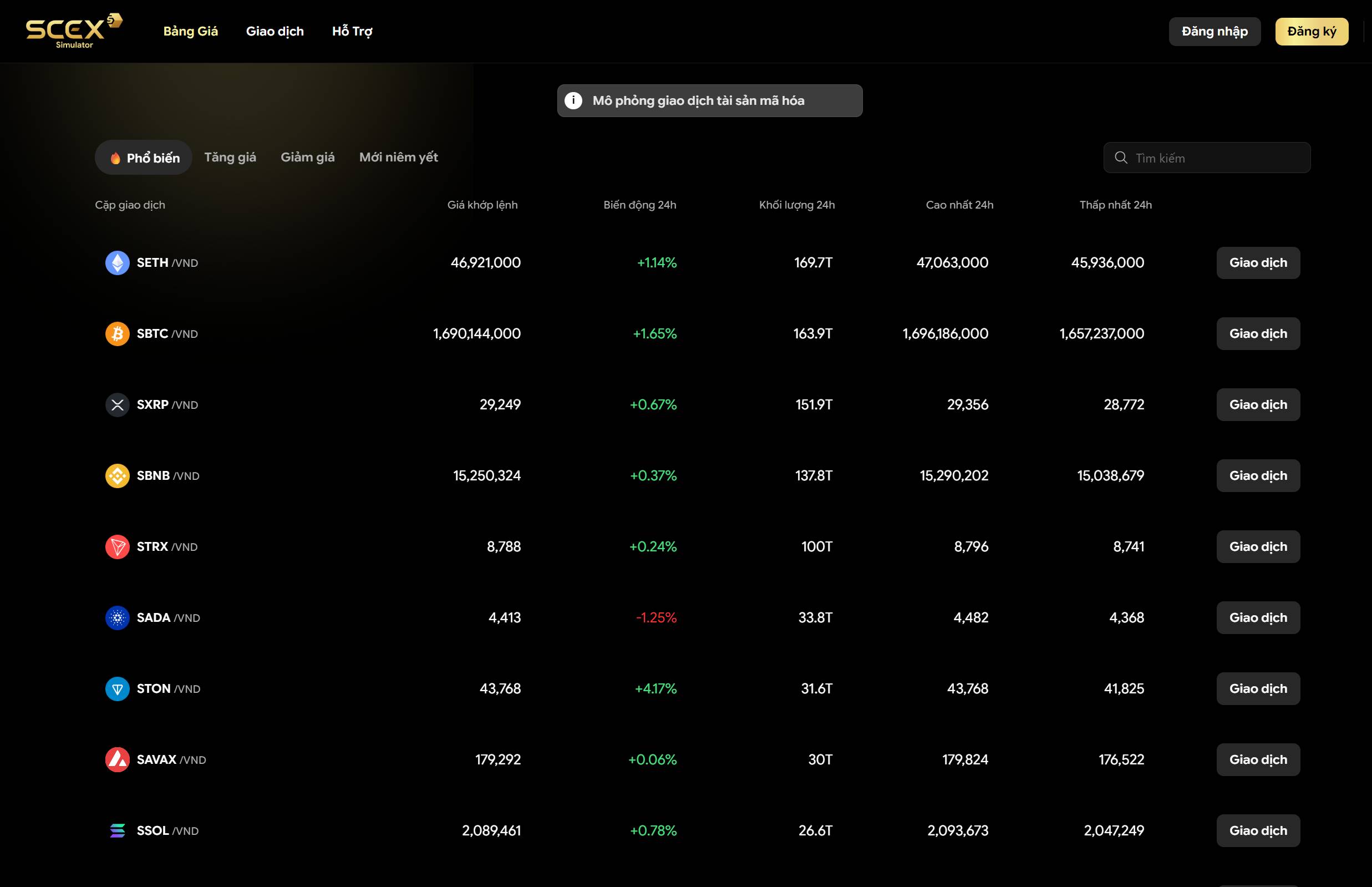
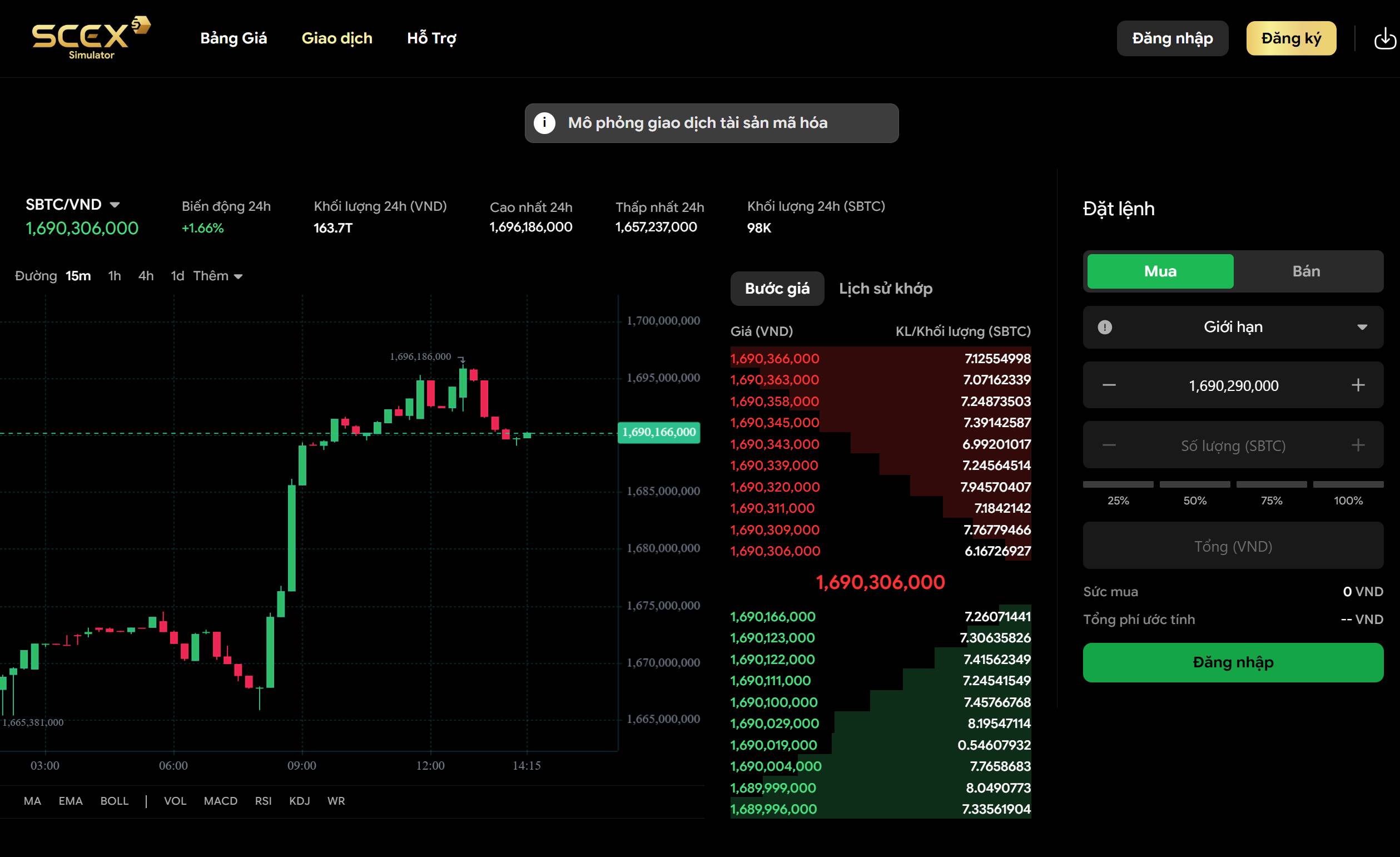
In preparation for its launch, SCEX is also participating in the 2026 Digital Asset Education Program through the SCEX Simulator platform.
SCEX Simulator is a simulated trading platform used for an initiative called the “Crypto Asset Arena,” where participants can learn fundamental concepts and practice crypto asset trading in a virtual environment.
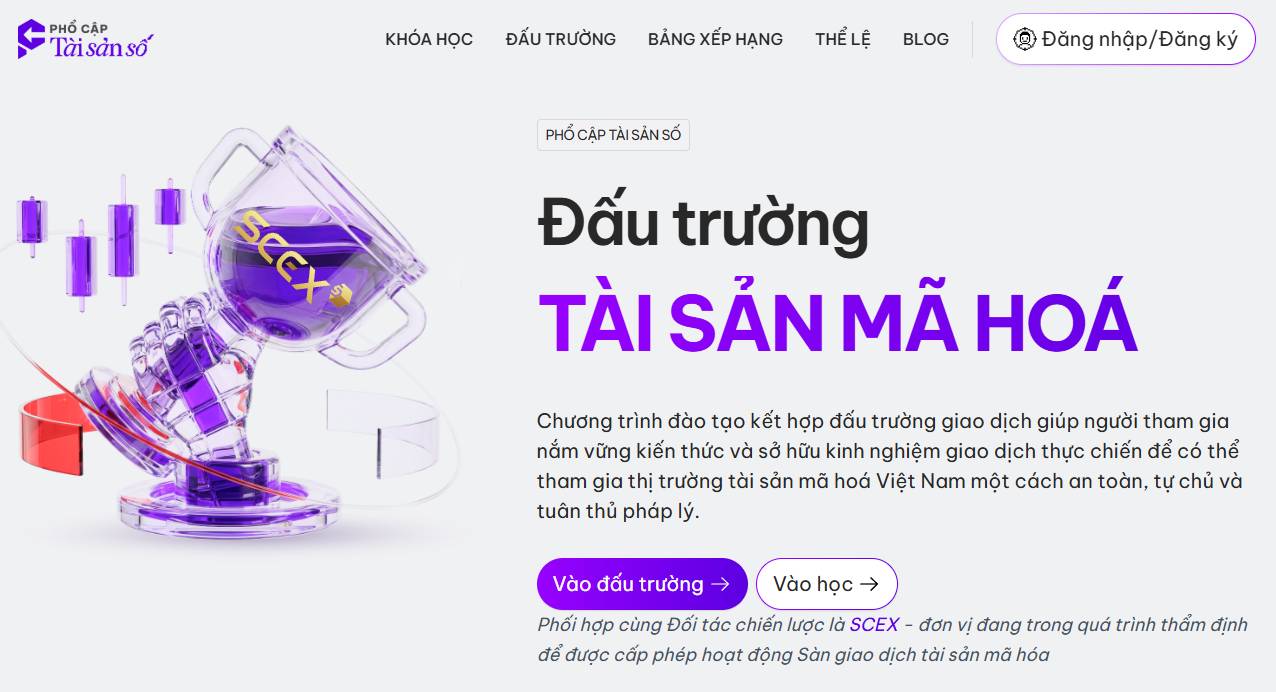
The 2026 Digital Asset Education Program is organized by the Vietnam International Financial Center in Ho Chi Minh City and the VBI Training Academy, with SCEX participating as a technology partner.
Instead of providing only theoretical materials, the program combines education, practical experience and competition, helping new users understand how the crypto asset market works before entering a real trading environment.
Through SCEX Simulator, participants receive an initial virtual balance of VND 1 billion.
They can use these simulated funds to practice monitoring price movements, placing orders, managing portfolios, evaluating trading performance and developing risk management skills.
Because all activities take place in a simulated environment, users can test different strategies without risking real money.
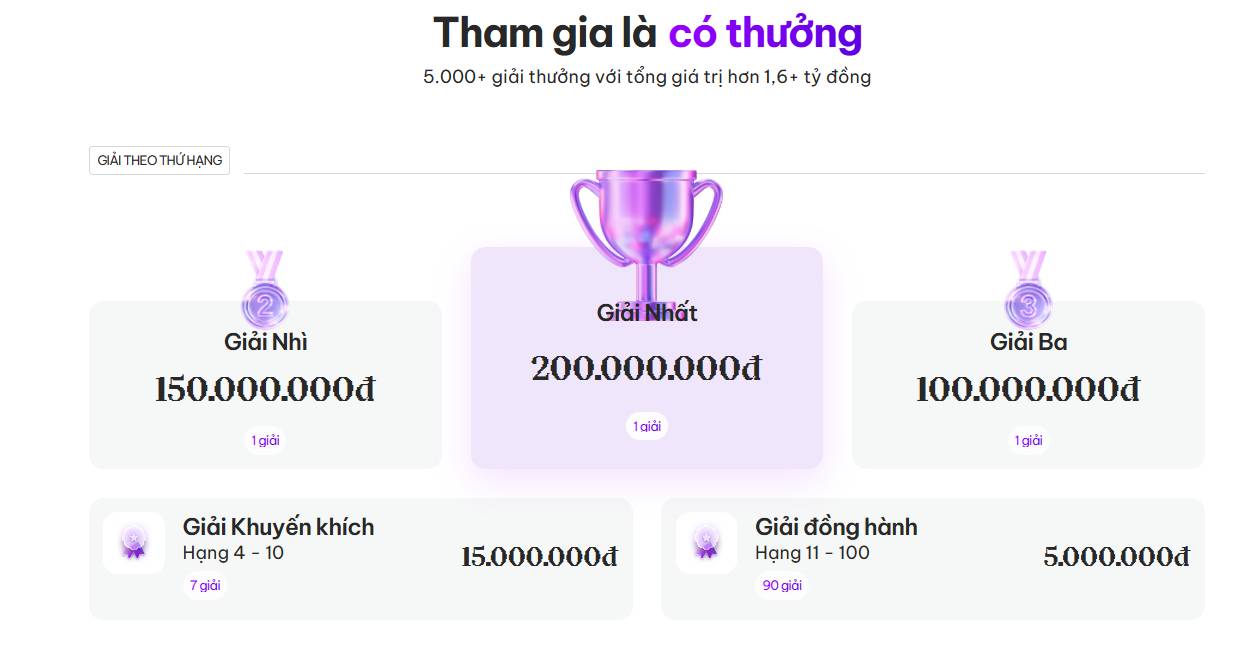
One notable feature of the Crypto Asset Arena is its competition, ranking and reward system.
Participants are assessed based on several criteria, including completion of the learning journey, simulated portfolio performance, risk management ability and decision-making skills.
The total value of the program’s announced prizes exceeds VND 1.6 billion.
According to published information, SCEX Simulator recorded more than 22,000 accounts within just 48 hours of launch, indicating strong interest among Vietnamese users in learning about and competing in crypto asset trading through a simulated environment.
However, it is important to note that this is an educational and simulated activity. It does not mean that SCEX has already been licensed to operate an official crypto asset exchange in Vietnam.
Potential Impact if SCEX Is Licensed in Vietnam
If SCEX completes the licensing process and receives approval to operate, it could become one of the more notable developments in the formation of Vietnam’s domestic crypto asset market.
Previously, most Vietnamese users accessed crypto through international exchanges or P2P trading.
Although this model offers quick and convenient access, it also involves several challenges, including counterparty risk, limited control over fund flows, a lack of standardized reporting and significant dependence on foreign platforms.
If domestic crypto asset exchanges are licensed, the market could gradually shift toward a more clearly supervised model.
Users may be required to complete more comprehensive identity verification, while VND deposits and withdrawals could be directly connected to the domestic financial system.
Assets could also be held under defined risk management standards, while transaction histories could be consolidated for reporting purposes.
For SCEX, one of the most important aspects to monitor is its ability to connect four key layers: crypto asset trading infrastructure, the traditional banking and financial system, user education through the simulator, and domestic compliance requirements.
If successfully implemented, this model could become a reference point for how Vietnam’s crypto asset market may operate during the pilot phase.
However, this outlook still depends heavily on the outcome of the licensing process, detailed regulations issued by authorities and the platform’s actual operational capabilities.
SCEX should therefore not be viewed as an exchange that has already received official approval. Instead, it should be regarded as a company currently undergoing assessment and as one of the market participants worth monitoring.
The moment SCEX or another domestic exchange receives a license will also mark the beginning of a six-month period during which Vietnamese investors will be required to transfer their crypto assets from foreign platforms to domestic platforms in order to avoid the risk of administrative penalties or criminal liability under Resolution 05.
conclusion: SCEX could become an important bridge between Vietnam’s banking system and its emerging regulated crypto market. However, passing the first assessment stage does not constitute final approval, and the platform’s prospects still depend on licensing, detailed regulation and operational readiness.
Users can also compare major trading platforms through the FORECK.INFO crypto exchange rating. The ranking helps assess exchanges based on factors such as security, fees, liquidity and user experience.